
PRINCE Boonie Charlie(p1)
Outside the window, a drizzle; beyond the window, green mountain slopes; and in front of the window, a Highlander who, gazing at the rain-drenched mountains, will introduce you to the figure of the ‘King of the Highlanders’ – which in Gaelic means ‘RIGH NAN GAIDHEAL’. The history of this figure is incredible, complex, tragic, romantically emotional and unpredictable. Every story is a continuation of the one before, but this one seems incredibly fascinating. As I read and sought out the truth, I never imagined that one person could possess such charisma in pursuing their goal, despite setbacks. The story of Bonnie Charlie is one of downfalls and uprisings, all in the cause of restoring the throne to the House of Stuart, which had lost power to the Hanoverian usurper. Bonnie Charlie is a figure we must not forget, and I firmly believe we have much to learn from reading his history. He was undoubtedly a very well-known figure in the 18th century, who left an indelible mark not only on Scotland, England and continental Europe, but also influenced the shaping of America, to which people migrated following the defeat at the Battle of Culloden.
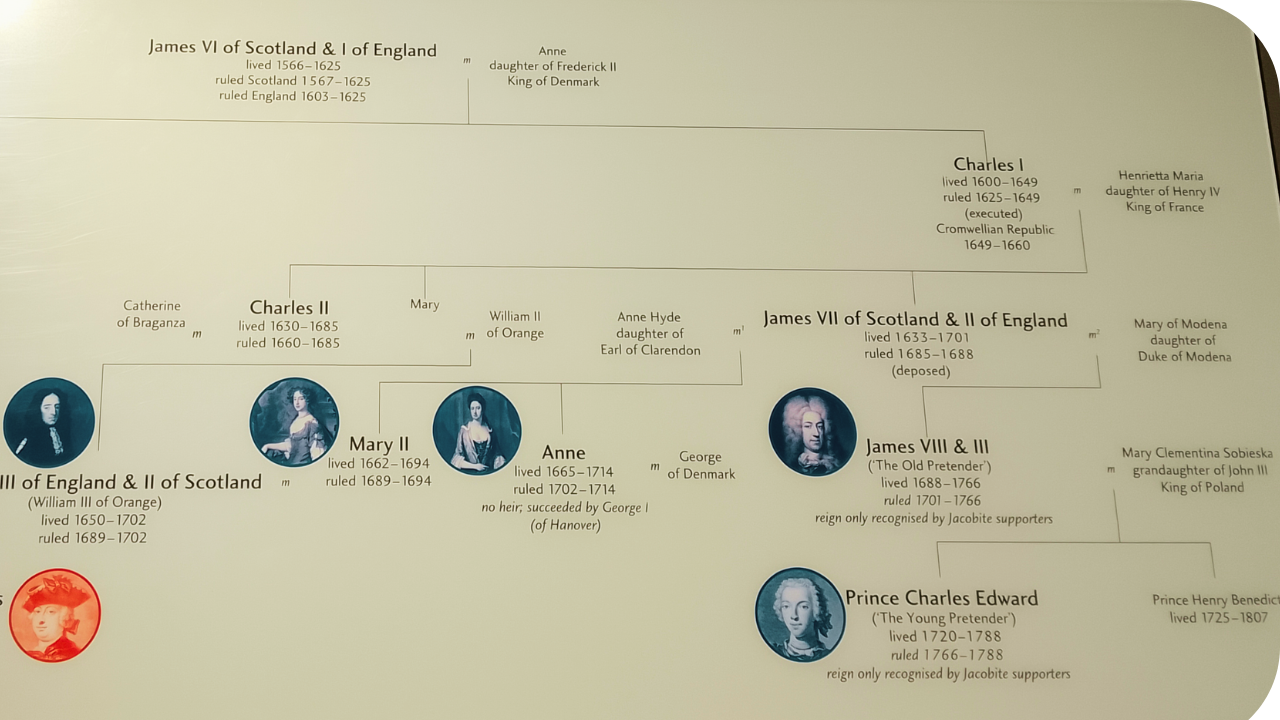
Let me begin the whole story in the year 1685. At that time, on the British Isles, King Charles II died and his brother was crowned in his place, bearing the dual titles of James VII of Scotland and James II of England. But, as is often the case in history, James was crowned under circumstances that were unfavourable to his Catholic faith. His bitter rival, William of (Orange), was a Calvinist, a Protestant, the stadtholder of the Netherlands and his nephew. The Protestant majority in England were unhappy with the impending changes, such as an alliance with Catholic France, which would have altered the balance of power across Europe and posed a threat to the Protestant bloc. Consequently, William of Orange manipulated British politics and, in 1688, invaded England by force, forcing James VII & II into exile and compelling him to seek refuge amongst his supporters in Catholic France. And it was precisely this event, known as the ‘Glorious Revolution’, that marked the beginning of the Jacobite movement, which undoubtedly shaped the fate of Europe at that time and the history of Prince Charles Edward. I invite you to read the following chapters, in which you will learn more about the prince’s parents, his birth, his efforts to restore the throne to the House of Stuart, and the skirmishes during his campaign.
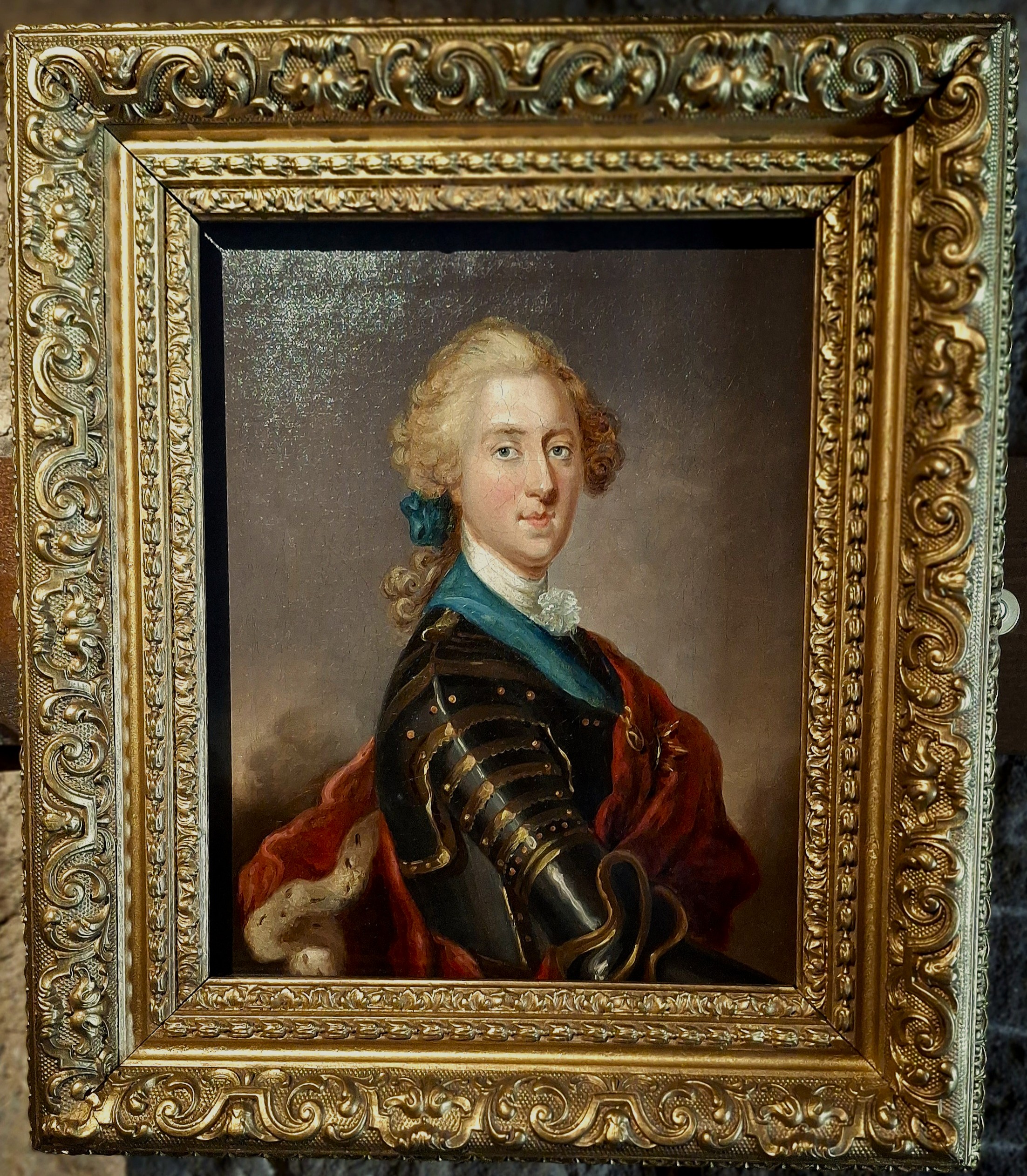
THE ANCESTORS OF PRINCE CHARLES EDWARD
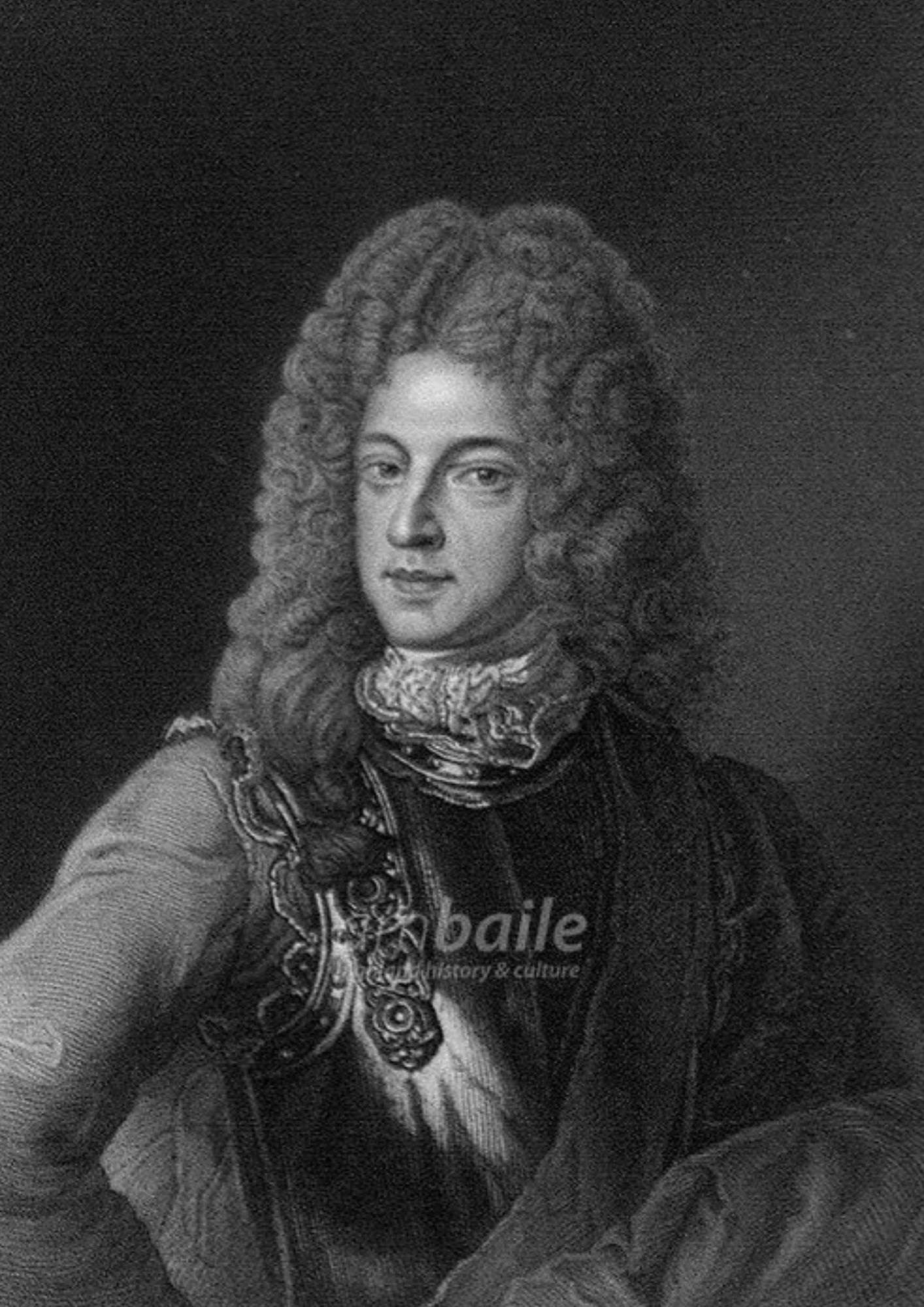
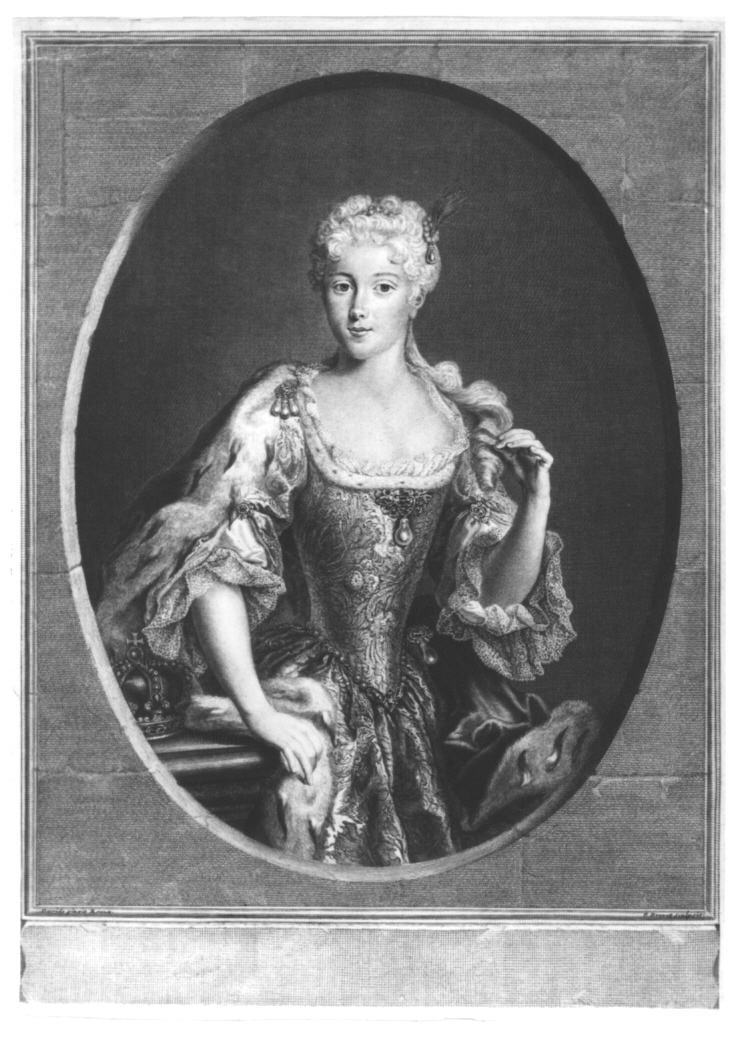
The Prince’s father was the exiled King James VIII & III (son of James VII & II), and his mother was Maria Klementyna Sobieska. James was the fourth King of England and Ireland and the twelfth King of Scotland, descended from Walter, heir to the Great Steward of Scotland, who in 1315 married Princess Marjorie, daughter of the legendary Scottish hero Robert Bruce, victor at Bannockburn. His lineage formed an unbroken chain stretching back to the great Stuart, Bruce, and Canmore dynasties, and some even claim it traces back to Fergus Mor MacErca—King of Dalriada. However, the full story of the prince’s “creation” is more complicated. In late 1717, the search began for a suitable bride for the exiled King James VIII & III. The selection and search were not easy in Europe at that time, even despite the funds allocated for this purpose by the governments of France, Spain, and the Vatican. James was unable to marry the eldest daughter of his uncle, the Duke of Modena, or the daughter of the Russian Tsar Peter the Great. Many proposals were rejected by the families out of fear of provoking the wrath of the House of Hanover.
However, Charles Wogan, who had been entrusted with the honorable task of finding a wife, had no intention of giving up, and he found a candidate who had strong ties to Catholicism and deep roots in the Sobieski family, which was famous at the time. Jan III Sobieski’s victory at the Battle of Vienna undoubtedly resonated widely throughout Europe at that time. The courts of John III Sobieski and France appeared to be very close, and that is why I believe it was no coincidence that his granddaughter was chosen as a candidate. Prince Charles’s maternal grandmother, on Clemetina’s side, was a princess of Bavaria-Neuburg named Hedwig Elizabeth, who had close ties to the Habsburgs. These families were also linked to the kings of Portugal and Spain and the dukes of Tuscany and Parma. Generally speaking, such a candidate, possessing family ties to renowned Catholic ancestors, was very much to the liking not only of James VIII & III but also of the authorities in the Vatican. Not insignificant to the exiled king was the vast fortune Clementine possessed and the immense wealth she stood to inherit, given that her father had no male heir. This prospect of wealth certainly guided the Jacobite cause and seemed to offer a solution to all their problems.
On July 22, a marriage contract was signed in Oława, which provoked outrage on the part of the usurper King George I. Fearing this marriage, he offered a reward for James’s head and attempted to bribe Klementyna with the sum of 10,000 pounds. After these failed attempts, he threatened Prince Sobieski with exile from the castle in Oława. Without hesitation, he arrested Princess Klementyna and her mother on their way to the wedding at Abrams Castle near Innsbruck, Austria. The Hanoverians believed the matter would be resolved in this way, but they did not take into account the genius of the Polish-Irish-Scottish cooperation that secured the princesses’ release from custody. The rescue mission was undertaken by the Irish Jacobite Wogan, who received as a reward a Turkish snuffbox taken directly from the tent of Kara Mustafa Pasha at the Battle of Vienna. The following individuals took part in the incredible plan to rescue Clementyna by leaving a French woman in disguise in her place: Major Richard Gaydon, Lucas O’Toole, and Captain John Misset. John Wikinshaw also deserves special mention for his efforts in negotiating with Prince Sobieski and overcoming the objections of Emperor Charles VI. Following these events, on May 9, 1719, James and Clementyna were married with Wogan acting as their matchmaker. The entire ceremony was conducted in Bologna by Cardinal Curzio, after which the couple continued on to Rome. In Rome, the pope made one of the largest palaces available to the young couple. This palace was called the Palazzo del Re, also known by another name (Palazzo Muti), and, believe it or not, it was located right next to the Palazzo Odescalchi, which had previously been occupied by Clementina’s grandmother, Queen Marie-Casimire d’Arquien of Poland, wife of Jan III Sobieski. However, it was not until August 28 that the couple met at the cathedral in Montefiascone, near Lake Bolsena. The actual marriage of 31-year-old James Francis Edward Stuart to 17-year-old Maria Klementyna Sobieska took place on September 3, 1719, with Bishop Sebestiano Bonaventura officiating.
Birth and Early Years in Rome
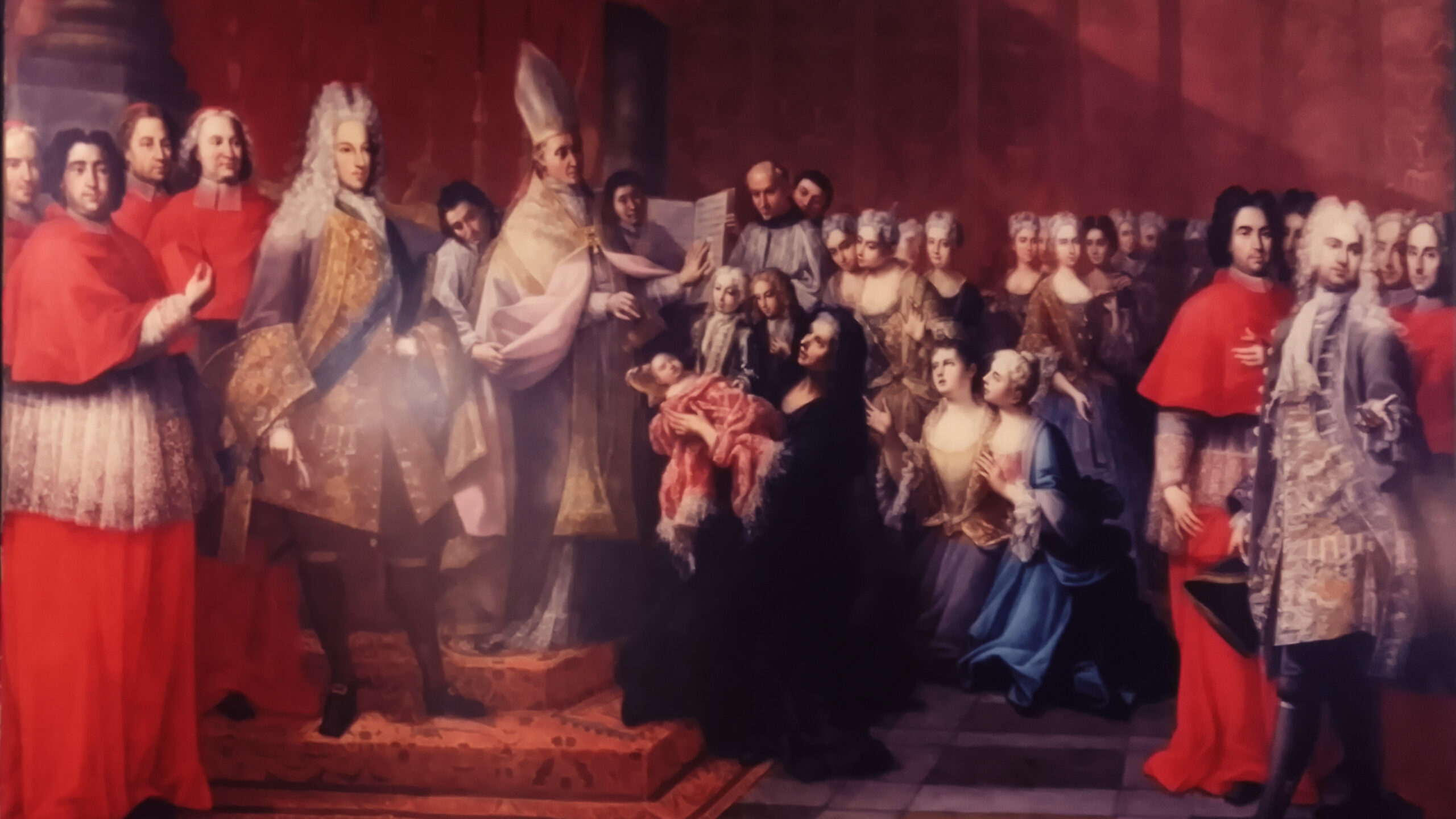
After their wedding, James and Clementyna cut a fine figure while in Rome. The Pope took them under his wing, and the Vatican clearly valued the couple so highly that a Vatican guard was stationed outside their palace. This honor—that is, special protection was granted to only three households in all of Rome. The conditions offered to the new Stuart family looked promising, though one must not forget the House of Hanover, which alarmed by the turn of events, sent a spy to monitor their every move. According to historians, the work of spies such as Sir Horace Mann and John Walton cost London taxpayers a small fortune. Sixteen months after the marriage, following a difficult six-day labor, Clementine gave birth to a boy—little Stuart, The Prince of Wales. Just one hour after his birth, he was baptized by the Bishop of Montefiascone and given the name Edward Louis John Casimir Silvester Severino Maria. His long name honored his ancestors: his great-grandfather, the King of England; the King of France, the King of Spain, and the King of Poland. One could say that all of Europe was captivated by this birth. Gifts and congra-tulations were sent by the heads of state of Spain and France, and royal salutes were fired from Castel Sant’Angelo. Such an important birth at the start of the year filled everyone with incredible optimism, but at the same time placed a heavy burden of expectations on the tiny prince and his parents.
The prince was born with minor defects and had problems with posture, but as the years went by, all his ailments disappeared. His parents wanted to provide the little prince with the best care, but disagreements over the choice of caregivers sparked the first signs of conflict. The frequent changes in caregivers did not sit well with the young prince, who was often forced to leave his mother and spend time with caregivers chosen by his father. Even then, as the records show, a negative atmosphere was developing between the parents regarding parenting methods. It seemed to me that Clementine placed greater emphasis on Catholic parenting customs, while James treated his son too harshly, leaving him in the care of men, far from his mother.
On March 6, 1725, his brother was born and baptized Henry Benedict Maria Clement Thomas Francis Xavier, who was named Duke of York. With the birth of their second child, the Stuart family received a boost of positive energy for their future prospects, but general misfortune never left this family. The relationship between Clementine and James began to deteriorate significantly, and all of this was caused by a lack of understanding and differences in temperament. These differences were further exacerbated by the stubbornness of both spouses. One example was when James replaced the Young Prince Charles’s Catholic nanny, Dorothy Sheldon, with the Protestant James Murray (Earl of Dunbar). Henry’s birth did not improve the situation; if anything, it made it worse. Clementine accused James of having Protestant connections, which she interpreted as an affair with Lady Inverness, and of raising their sons in the Protestant faith. As she herself stated, she would rather die than live with people who did not share the Catholic faith. She demanded changes, but to no avail; faced with these circumstances, she left her husband in November 1725 to enter the Ursuline convent. This turn of events did not please Pope Benedict XIII; on the contrary, these events were exploited by their enemies, George I and Walpole (the British prime minister), who publicized the scandal throughout Europe. However, in January 1728, James partially agreed to Clementina’s terms, allowing her to decide on the selection of household staff and caregivers. After reuniting, the family moved into the Palazzo del Re. However, these events left a mark on the entire family, giving rise to a certain kind of hatred that took root in the family’s blood. James felt humiliated by Clementina, who had involved the pope in family affairs. The Queen, on the other hand, distanced herself further by devoting herself entirely to religious worship through prolonged prayers, neglecting her own well-being, and fasting more frequently, which led to anorexia (Anorexia Nervosa).
Witnessing all this, the very young Prince Charles drew the wrong lessons about life and became increasingly estranged from his mother, finding no support from his father. When Clementina left them for the second time in November 1725, Charles was four years old and Henry was barely eight months old. When she returned three years later, she seemed alienated from society, living as a nun and not particularly suited to being a mother. Clementine’s only connection to the prince was through music; however, as is well known, he held his mother in high regard, and in a letter to his father at the age of 7, he wrote, “to be very obedient to Mom and not to jump in her presence.” At the age of 15, the prince had to say goodbye to his mother forever. Reading her story, one can surmise that her body could not physically withstand the rigors of religious asceticism, and in January 1735, she passed away from scurvy, a consequence of malnutrition. By papal decree, the granddaughter of Jan III Sobieski was to be buried with great honors in St. Peter’s Basilica. Her heart was placed in a Franciscan urn in the Basilica dei Santissimi Apostoli, not far from the Palazzo del Re. I’ll just add that this was a tremendous blow to Prince Charles and Henry, who spent hours praying at their mother’s bedside. Perhaps none of this would have happened had it not been for Pope Clement XII in 1730, who placed her under the care of priests and “drew her into excessive asceticism.”
THE PRINCE OF WALES WOWS EUROPE
The years passed, and the situation in Europe was changing. In 1727, George I died and was succeeded by George II. During those years, the young princes flourished under the watchful guidance of the stern tutor Murray and the warm-hearted Sheridan, who served as a surrogate father to them. Henry excelled academically and clearly enjoyed his studies, while Charles had no interest in learning but made up for it by radiating charisma and strength wherever he went. Prince Charles, however, possessed a talent for music and could play the violin for hours on end. He is an excellent horseman, marksman, and golfer, but he also dances, and music is undoubtedly what he loved most. It should not be forgotten that in his early youth, the Prince had a clear goal of regaining his father’s and his family’s position. Everything he did was geared toward fulfilling this mission. As a ten-year-old boy, he had insight into his father’s political secrets. At age 14, he gained his first combat experience during the Spanish siege of “Gaeta,” north of Rome. During that siege, he served in the trenches, and his bravery earned him considerable popularity—so much so that even his father envied him. Even the Hanoverian spy Walton was irritated by the Prince’s success, writing to his superiors: “Everyone says that this boy will one day become a far more dangerous opponent to the House of Hanover than his father ever was.”
Reading his story, I must admit that his life was marked by constant frustrations; for example, when he wanted to visit his grandfather, Jan III Sobieski, shortly before the latter’s death, he was prevented from doing so by a ban on entering Austrian territory. The Prince’s story could have unfolded quite differently had the plans to formally incorporate his status into Poland come to fruition. This process, known as “Indigenate,” was initiated by his grandfather Jakub Sobieski (Clementina’s father), who interceded on behalf of his grandchildren following the tragic and painful death of his daughter, envisioning their future in Poland. Unfortunately, these grand plans (inheriting vast estates) never came to fruition and came to an end with the death of Prince Jakub.
The Prince’s next venture was a promotional and propaganda tour of northern Italy, where he dazzled everyone with his charm and kindness. This was a period when his tendency toward alcohol began to surface, and I dare say that this is a very complex issue, especially in the Prince’s case. Using the title “Earl of Albany,” he visited his uncle Albert, the Elector of Bavaria, whom he greatly impressed. In Venice, however, he received the highest honors, which angered the Hanoverians in London. Making no secret of their outrage and as a sign of protest, they expelled the Venetian ambassador from Britain. But this only served to increase the international fame of the handsome young Prince Stuart. Another five years passed before the situation slowly began to turn in favor of the Stuart family, and discontent with Hanoverian rule became evident in both Scotland and England. General discontent against Westminster grew over the misuse of units known as the Black Watch for operations on the continent, despite promises that they would be used only on the British Isles. Britain found itself at war with Spain starting in 1739, fighting over territories in the Americas, and also with France (1740) in the War of the Austrian Succession. Additionally, the hostile Cardinal Fluery died in 1743, which led to a shift in France’s attitude toward the Stuart family.
In light of these favorable developments, a coalition known as the “Concert of Gentlemen” was formed as early as 1738, comprising James (3rd Duke of Perth), Lord John Drummond (5th future Duke of Perth), Lord Linton, heir to the Earl of Traquair; his brother John Stewart, Lord Lovat; Donald Cameron of Lochiel and his father-in-law James Campbell of Auchenbreck; and William Drummond of Balhaldy (MacGregor). In March 1741, they signed a letter to Cardinal Fleury requesting French support and declared Scotland’s readiness for an uprising. Thanks to this organization and through the efforts of the Drummond princes, the young Prince Charles came to understand that he was fighting not only for England and Ireland, but specifically for the ancient kingdom of Scotland. Therefore, in 1739–40, John and James, the Princes of Perth, presented the young pretender with a highlander’s shield, helmet, breastplate, dagger, pistol, and a book of highlander dances. Charles made use of all these incredible gifts in 1741 at a ball in Rome hosted by Cardinal Armand de Rohan at the Palazzo Pamhilli. Without a doubt, Charles Edward charmed everyone in his highland attire, wearing his grandfather’s jewels on his chest—jewels that could not be found anywhere else. This ball was a wonderful opportunity to present himself to a more distinguished audience and to distance himself from the image of his father and his own brother. These were likely the early days in the “young pretender’s” life when he began to demonstrate his Scottish identity. He thanked the Dukes of Drummond, saying, “Now I can dress like my friends.” He began appearing more often with the Order of the Thistle and the Cross of St. Andrew, whereas previously he had usually been seen wearing only the English Order of the Garter.
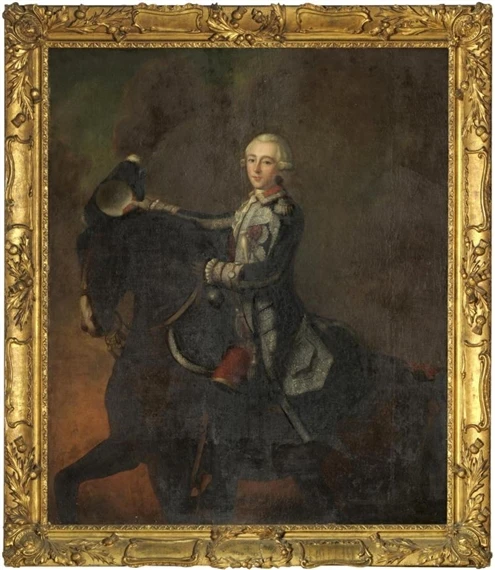
This is how the prince was described shortly before the expedition of his life. The prince had a captivating voice. None of the surviving portraits of the prince from his youth depict him as handsome in the conventional sense—neither by 18th-century standards nor by our modern ones. His facial features were somewhat marred by a receding hairline and a long chin ending in a sharp point; the fact that he had a neck resembling that of a bull also did not work in his favor in terms of the fashion of the time. Charles Edward was much taller than the average person. He was about 180 cm tall, with a long face, a high nose, the characteristic sensual lips of the Stuarts, a ruddy complexion, large, melancholic brown eyes, and reddish hair.
The Prince's Mysterious Plan (Rome–France–Scotland)
In 1743, at the behest of King Louis XV of France, 55-year-old James, Charles’s father, was to prepare his son for his arrival in Paris to take command of a 10,000-strong army. According to the plan, this army was to be transported to the outskirts of London with the cooperation of the brilliant strategist, France’s First Marshal, Count Maurice de Saxe—who, interestingly, was the illegitimate son of King Augustus II of Poland. The aim of this operation was to overthrow the corrupt Whig regime and the Hanoverian dynasty, which was deeply unpopular. However, the Prince—ready and growing impatient—did not receive orders to come to France, as Louis XV was reportedly playing both sides. On the one hand, he feared the strong and popular position of the Stuarts; on the other, he wanted to use their name as a threat against the Hanoverian dynasty. He also feared that the arrival of the “young pretender” would ruin his secret plan to attack England. Without waiting for further news, Prince Charles, keeping everything a secret, set off in a hurry through Savona and Antibes to Paris. Everyone was surprised by his unexpected arrival, and the king flatly refused to meet him. However, after some time, Louis XV concludes that the best strategy would be to “disguise” the prince until the invasion under the name “Chevalier Douglas.” History, however, does not favor the Stuarts, and French spies betray the plan for the fleet’s attack, which sets sail from Dunkirk. Admiral Sir John Norris and a storm the likes of which hadn’t been seen in centuries awaited the fifteen ships carrying 7,000 soldiers………
…..Twelve ships were destroyed, and nearly all of the supplies were lost, not to mention the human casualties. However, this was enough for France to abandon its plan to attack London and instead launch an attack on Flanders. Prince Charles remained on the coast, waiting for a miracle that never came, while his father continued to order him to return to Rome. The prince refused to give up, and despite orders to leave France, he remained steadfastly committed to his own plan—not his father’s—to regain power. In fact, for some time already, James Francis—that is, his father—had been jealous and fearful that his position might be threatened by his eldest son, thereby hindering Prince Charles Edward’s efforts. It was during this period that the prince realized he had to act on his own and seek support among his French cousins, who were related to the Sobieski family. It is worth noting that it was precisely thanks to these connections that the Prince inherited the right to his grandfather Sobieski’s estate, consisting of Silesian estates and incredibly valuable jewels.
Maintaining complete discretion, even toward his own father, he became involved with a circle of wealthy men, mainly descendants of exiled Irish families. The most important figure among them was Antonine Walsh, a French naval officer, slave trader, and shipbuilder, whose father had commanded the ship that brought King James VII and II to France after the Battle of the Boyne. The Irish businessmen succumbed to his persuasive charm and agreed to provide large loans and to arrange for ships and weapons to support the plan. According to this incredible plan, a small-scale invasion would trigger French assistance, which turned out to be relatively limited, but you’ll learn more about that later on.